
Step-by-Step Guide: How to Write a Perfect Logo Design Brief
Creating a logo for your business is an exciting step. But before you can work with a designer, you need to write a logo design brief. This document helps you explain exactly what you want and need.
Many business owners find this part challenging. You might have ideas in your mind, but putting them into words can be difficult. A good logo design brief solves this problem. It acts as a clear guide for your designer and helps you get the logo you’re looking for.
In this article, you’ll learn how to write a perfect logo design brief step by step. We’ll cover everything you need to include and explain why each part matters.
Why You Need a Logo Design Brief
A logo design brief is important for several reasons. First, it saves you time. When your designer has clear instructions from the start, they can create better designs faster. You’ll spend less time going back and forth with changes.
Second, it saves you money. Fewer revisions mean lower costs. Your designer can focus their efforts on getting things right the first time instead of guessing what you want.
Third, it helps you get better results. When you take time to think about what you need and write it down, you make better decisions. Your designer can understand your vision and bring it to life.
Step 1: Provide Your Company Background
Your designer needs to understand your business before they can create your logo. Start by sharing basic information about your company.
Include these details:
01. Your company name and tagline (if you have one)
02. What products or services you offer
03. Your company’s mission and values
04. How long you’ve been in business
05. Your company’s story and what makes you different
Write this section in simple, clear language. Explain your business as if you’re talking to someone who has never heard of it before. The more your designer understands your business, the better they can represent it visually.
Step 2: Define Your Target Audience
Who will see and interact with your logo? Understanding your audience is essential because your logo should appeal to them.
Think about your ideal customer. Consider their age, location, income level, and interests. Are they young professionals, parents, students, or retirees? Do they value luxury, affordability, sustainability, or innovation?
Questions to answer:
01. What age group do you serve?
02. Where do your customers live?
03. What problems do you solve for them?
04. What are their interests and lifestyle?
05. Where do they typically find businesses like yours?
Step 3: Identify Your Brand Personality and Values
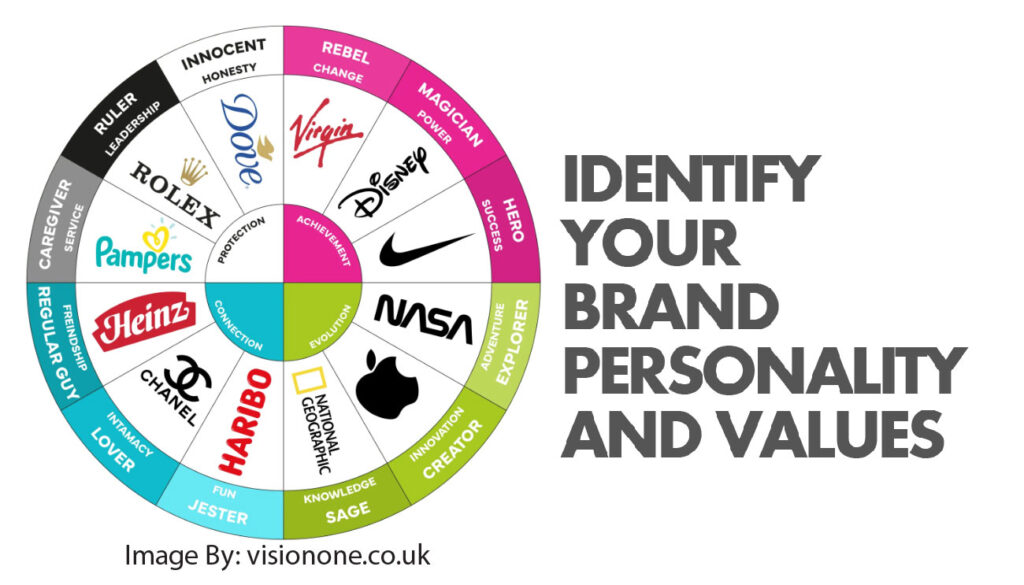
Every brand has a personality. Some brands feel friendly and approachable. Others feel serious and professional. Some are creative and bold, while others are traditional and reliable.
Think about how you want people to feel when they see your logo. What words describe your brand’s character?
Common brand personalities:
01. Professional – Serious, trustworthy, experienced
02. Innovative – Modern, forward-thinking, cutting-edge
03. Friendly – Warm, welcoming, approachable
04. Luxurious – Premium, exclusive, high-quality
05. Playful – Fun, energetic, creative
Choose five to seven words that best describe your brand. These words will guide your designer’s creative choices. For example, a professional brand might use clean lines and neutral colors, while a playful brand might use bright colors and creative shapes.
Step 4: Research Your Competition
Look at what other businesses in your industry are doing. This helps you understand what’s common in your field and how you can stand out.
Study the logos of five to ten competitors. Pay attention to their colors, styles, and overall look. Notice what they have in common and where there are differences.
Create a simple comparison:
| Competitor | Logo Style | Colors Used | Strengths | Weaknesses |
|---|---|---|---|---|
| Company A | Simple text | Blue and white | Easy to read | Looks generic |
| Company B | Icon with text | Green and yellow | Memorable | Too complex |
| Company C | Symbol only | Black | Professional | Hard to recognize |
This research helps you make informed decisions. You can choose to follow industry standards or deliberately do something different to stand out.
Step 5: Specify Logo Type and Style Preferences
There are several types of logos. Understanding these options helps you communicate what you want.
Main logo types:
01, Wordmark – Uses your company name in a special font (like Google or Coca-Cola)
02. Lettermark – Uses your company’s initials (like IBM or CNN)
03. Pictorial mark – Uses a recognizable image or symbol (like Apple or Twitter)
04. Abstract mark – Uses a unique geometric shape (like Pepsi or Adidas)
05. Mascot – Uses a character or person (like KFC or Pringles)
06. Combination mark – Combines a symbol with text (like Burger King or Lacoste)
Think about which type fits your business best. Consider collecting examples of logos you like. You can create a folder of images or use a tool like Pinterest. Show your designer what appeals to you and what doesn’t.
Step 6: Choose Colors and Fonts

Colors create feelings and associations. Different colors communicate different messages to your audience.
Common color meanings:
01. Blue: Trust, stability, professionalism
02. Red: Energy, excitement, urgency
03. Green: Nature, growth, health
04. Black: Luxury, power, sophistication
05. Orange: Friendliness, creativity, affordability
06. Purple: Creativity, luxury, wisdom
Think about what colors fit your brand personality. You don’t need to choose exact colors yet, but you can give your designer direction. For example, you might say you want warm, earthy colors or bright, energetic colors.
For fonts, consider whether you want something modern and clean or traditional and elegant. Simple fonts are easier to read and work better at small sizes.
If you already have brand colors, provide the exact color codes. This ensures consistency across all your materials.
Step 7: Explain Technical Requirements
Your designer needs to know the practical details of what you need.
Specify these technical points:
01. What file formats you need (like PNG, JPEG, SVG, or PDF)
02. What color versions you want (full color, black and white, grayscale)
03. What sizes you need for different uses
04. Both horizontal and vertical versions if needed
05. How many design concepts you want to see
06. How many rounds of changes are included
Also explain where you’ll use your logo. Will it appear on your website, business cards, social media, packaging, or clothing? Different applications require different considerations. A logo for a billboard needs to be simple enough to read from far away. A logo for a mobile app needs to look clear at very small sizes.
Step 8: Share Your Budget and Timeline
Being clear about money and deadlines helps everyone plan appropriately.
State your budget honestly. Logo design can cost anywhere from a few hundred dollars to many thousands, depending on the designer’s experience and your needs. Knowing your budget helps designers determine if they can take on your project.
Timeline information to include:
01. When you need the final logo completed
02. Any important deadlines (like a product launch or event)
03. How quickly you can provide feedback during the process
Give your designer enough time to do good work. Rushed projects rarely produce the best results. A typical logo design project takes two to four weeks from start to finish.
Common Mistakes to Avoid
Many people make the same mistakes when writing a logo design brief. Avoid these problems:
Don’t control every detail. You hired a designer for their expertise. Give them room to be creative and suggest ideas you might not have considered.
Don’t forget about versatility. Your logo needs to work in many situations. Make sure it looks good in color and in black and white. It should work at large sizes and small sizes.
Don’t chase trends. Design trends change quickly. Focus on creating something timeless that will still look good in five or ten years.
Don’t skip the planning stage. Taking time to write a thorough brief leads to better results. Don’t rush this important step.
Putting It All Together
Writing a logo design brief takes time and thought, but it’s worth the effort. A clear brief helps your designer create a logo that truly represents your brand.
Your logo is often the first thing people see when they encounter your business. It appears on your website, social media, business cards, and products. Getting it right is important.
Focus on being clear about who you are, who you serve, and what makes your business special. Provide examples of what you like, explain your technical needs, and be honest about your budget and timeline.
A well-written brief is the foundation of a successful logo design project. When you and your designer both understand the goals, the process becomes smoother and the results become stronger.