

The definitive guide to Sri Lanka’s most valuable export products
Sri Lanka’s export economy: A legacy built on quality
Sri Lanka occupies a modest footprint on the world map — just 65,610 square kilometres — yet its influence on global trade extends far beyond what its size might suggest. From the tea estates of Nuwara Eliya to the garment factories of Katunayake, this island nation has cultivated an export portfolio that is both diverse and deeply rooted in quality.
In January 2026 alone, Sri Lanka recorded total exports of US$ 1,532.6 million, representing a year-on-year growth of 13.71%. This sustained momentum reflects not a stroke of fortune, but decades of deliberate industry development, strategic branding, and adherence to international standards.
Whether you are a global buyer seeking verified suppliers, an entrepreneur exploring export pathways, or a trade professional seeking current market intelligence — this guide offers a comprehensive overview of Sri Lanka’s most significant export categories, supported by verified data and practical insights.
1. Apparel & textiles — The cornerstone of Sri Lanka’s export economy
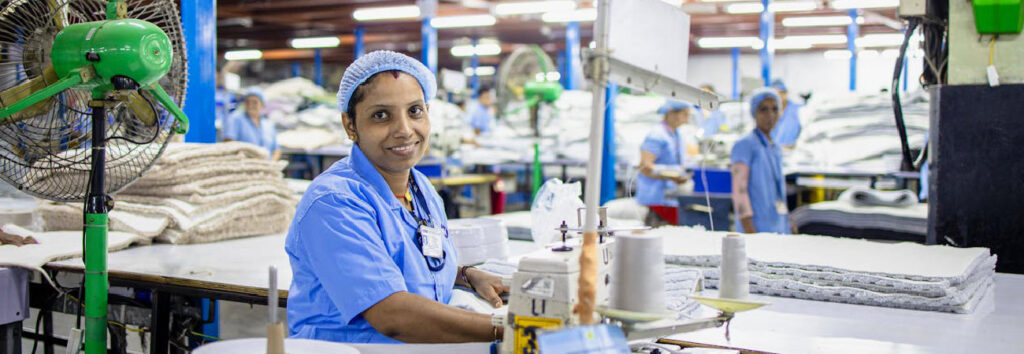
Apparel and textiles constitute the single largest component of Sri Lanka’s export portfolio, accounting for 52% of total export revenue. This dominance is not merely a product of competitive labour costs — it reflects a deliberate industry-wide commitment to ethical manufacturing, technical excellence, and compliance with international buyer standards.
Sri Lanka has earned recognition as a preferred sourcing destination for major global retailers, including Victoria’s Secret, Marks & Spencer, and Nike, precisely because of its transparent supply chain practices and high-quality production capabilities.
Key export products:
01. Knitted T-shirts and casual wear
02. Brassieres and intimate apparel — a high-value niche generating US$ 544 million in annual exports
03. Eco-certified and sustainably manufactured apparel
Primary export markets: USA, UK, Germany, Italy, Belgium
For international brands prioritising ethical sourcing, Sri Lanka’s apparel sector offers a compelling combination of quality assurance, labour compliance, and competitive pricing. The country’s positioning in sustainable apparel is well-established and continues to strengthen.
2. Ceylon tea — A heritage product with global reach
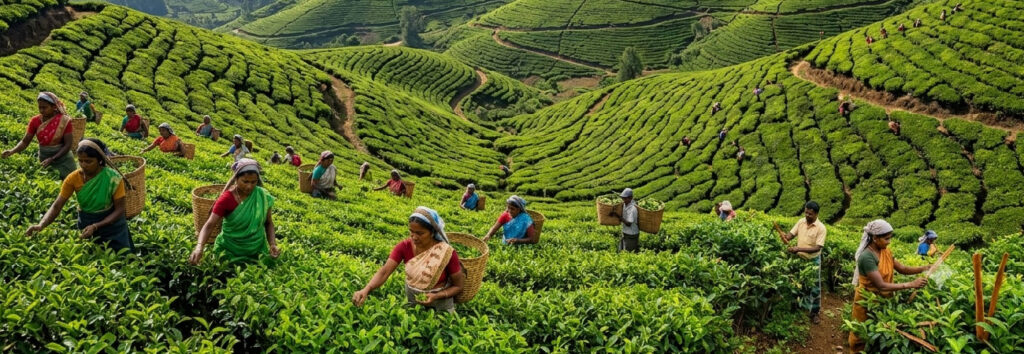
Ceylon tea is one of Sri Lanka’s most recognised export commodities and a cornerstone of its national identity. Sri Lanka ranks as the fourth largest tea producer in the world, yet the “Ceylon” designation carries a level of brand equity that few agricultural products anywhere can rival — built over more than 150 years of consistent quality.
The distinctive character of Ceylon tea is attributable to the island’s varied altitude zones, unique soil composition, and specific rainfall patterns, all of which contribute to its well-documented flavour profiles.
Sri Lanka currently exports tea to 140 countries, with a particularly significant distinction: 50% of exports are in value-added form, encompassing tea bags, consumer packs, and premium gift packaging — rather than bulk raw leaves.
Export categories:
01. Ceylon Black Tea — available in loose leaf, tea bags, and consumer packs
02. Ceylon Green Tea — organic varieties with growing health-market demand
03. Premium Gift Collections — positioned for luxury retail and corporate gifting sectors
Ceylon tea accounts for 17% of Sri Lanka’s total export earnings, and sustained global interest in premium and organic tea continues to support its long-term growth trajectory.
3. Ceylon spices — Unique products from a specific location
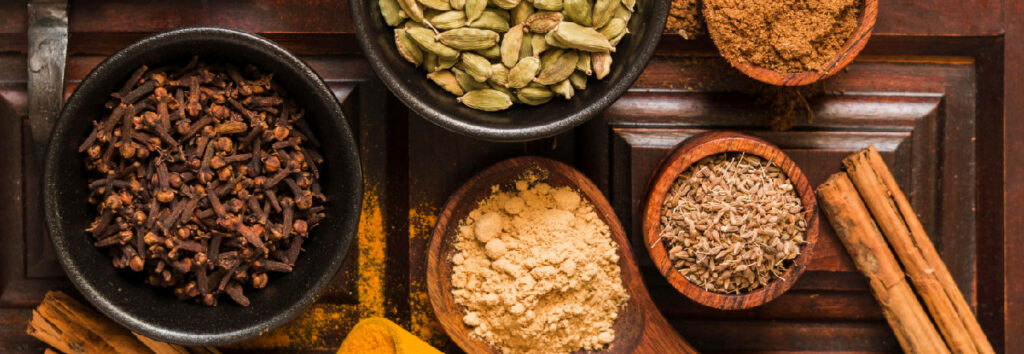
Sri Lanka’s position in the global spice trade is defined by a remarkable distinction: it is the world’s sole producer of true cinnamon — Cinnamomum verum — supplying approximately 90% of global pure Ceylon cinnamon. This is not simply a competitive advantage; it is a natural monopoly shaped by centuries of cultivation and the island’s unique terroir.
All of Sri Lanka’s major spice exports are protected under the geographical indication brand “Ceylon Spices“, which serves as an internationally recognised quality and authenticity marker.
Ceylon spice export overview:
| Spice | Global export share | Key characteristics |
|---|---|---|
| Ceylon cinnamon | ~90% of pure cinnamon supply | Only source of Cinnamomum verum globally |
| Ceylon pepper | ~1% | Premium grade, high quality standards |
| Ceylon cloves | ~4% | Distinctive aroma, medicinal applications |
| Ceylon nutmeg & mace | ~1% | Premium variety with dual-use applications |
| Ceylon cardamom | ~1% | Strong revealed comparative advantage (RSCA: 0.923) |
For procurement professionals and specialty food brands, particularly across European and Middle Eastern markets, direct sourcing of Ceylon cinnamon from verified Sri Lanka suppliers represents a meaningful product differentiation opportunity — as consumer awareness of authentic versus substitute cinnamon continues to grow.
4. Coconut products — A broad and fast-growing category
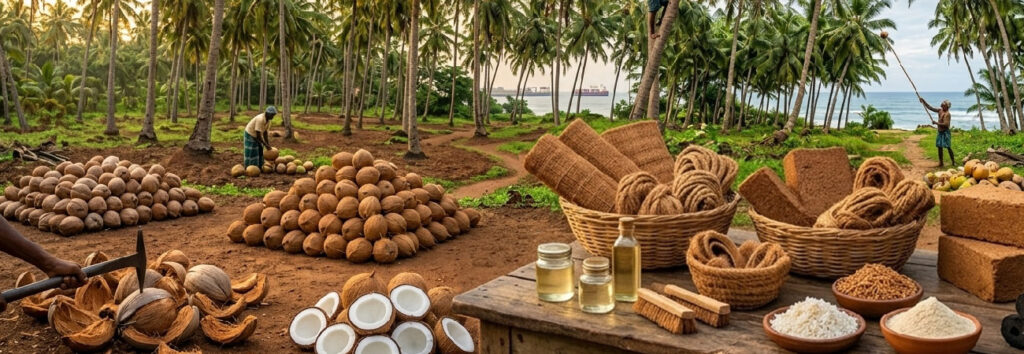
Sri Lanka’s coconut sector has evolved well beyond the traditional export of raw nuts. Today, it represents one of the island’s most dynamic export categories, with a diverse range of value-added products reaching markets across Asia, the Middle East, Europe, and North America.
Coconut product exports recorded growth of 30.69% in early 2026 — among the strongest performance figures across all export categories — driven in large part by rising global demand for organic and natural food ingredients.
Key export products:
01. Extra virgin coconut oil — exported to over 20 countries, with private label options available
02. Desiccated coconut — a primary ingredient for the global baking and food processing industries
03. King coconut water — bottled natural electrolyte beverage with strong wellness market traction
04. Coconut milk powder — high demand, particularly in UAE and broader Gulf markets
05. Coconut bristle fibre — a niche eco-friendly material gaining traction in sustainable manufacturing
06. Coconut cream, sugar, flour, and chips
Sri Lanka currently holds the position of the 4th largest coconut exporter globally. For buyers seeking certified organic coconut oil or wholesale coconut-derived ingredients, Sri Lanka offers verified quality across a comprehensive product range.
5. Rubber products — A high-value industrial sector
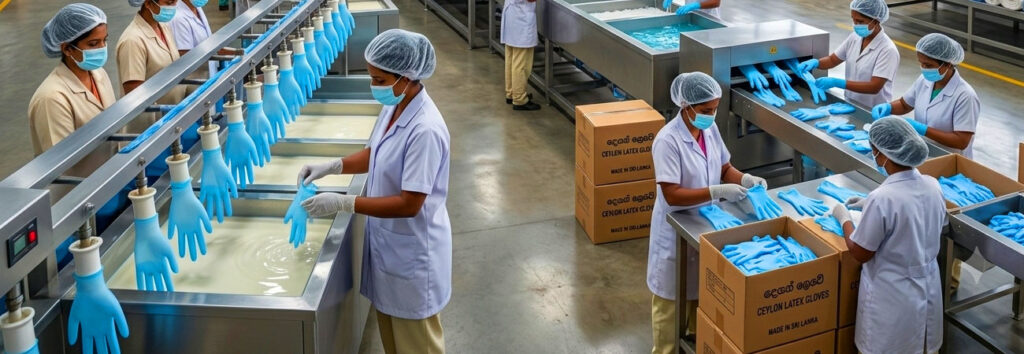
Sri Lanka’s rubber export sector operates at a level of technical sophistication that positions it among the world’s leading suppliers in key product categories. The country ranks as the 5th largest latex glove exporter globally, a position underpinned by sustained investment in quality standards and manufacturing capability.
Primary export products:
01. Latex medical gloves — both medical-grade and industrial-grade applications
02.Industrial solid tyres — serving agricultural and logistics sectors, with an export value of US$ 451 million
The rubber sector is characterised by its technical rigour and consistent compliance with international certification requirements, making Sri Lanka a reliable long-term partner for industrial buyers across healthcare, manufacturing, and logistics industries.
6. Gems & jewellery — A legacy of exceptional gemstones

Sri Lanka has been recognised as one of the world’s premier gemstone origins for over two millennia. The island’s geological profile has yielded an exceptional variety of precious and semi-precious stones, including sapphires, rubies, alexandrite, and cat’s eye.
In contemporary trade, Sri Lanka ranks among the top 10 global exporters of worked coloured gemstones. The Ceylon Blue Sapphire occupies a particularly distinguished position in international jewellery markets, valued for its superior colour saturation and clarity. Within the jewellery trade, the “Ceylon” designation commands measurable premium pricing and is consistently associated with provenance, authenticity, and quality.
7. Seafood — A growing sector with strong fundamentals
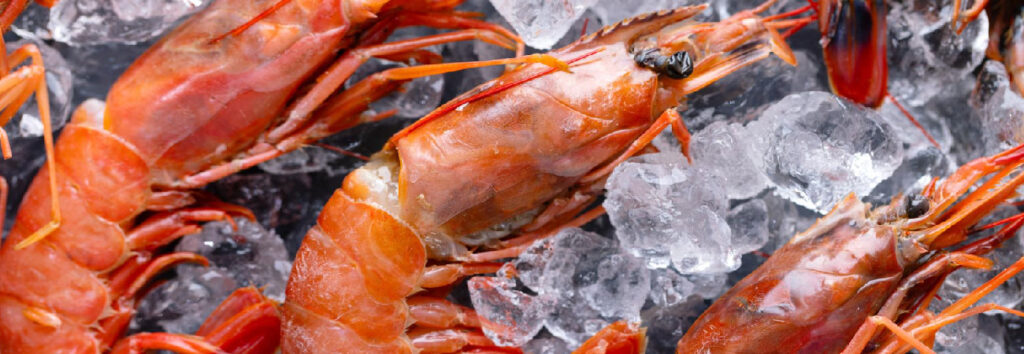
Sri Lanka’s seafood export sector is on a sustained growth trajectory, supported by rising international demand for premium marine products and ongoing improvements in cold chain infrastructure and quality certification.
Primary export product: Frozen Sea Prawns — both marine and freshwater varieties, currently serving markets across Asia, the Middle East, and Europe.
With continued investment in processing standards and traceability systems, the seafood sector is positioned for meaningful expansion over the medium term and warrants close attention from international buyers in the food service and retail industries.
Frequently asked questions on Sri Lanka export products
What are Sri Lanka’s top export products in 2026? Textiles and garments lead the portfolio at 52%, followed by Ceylon tea at 17%. Additional significant categories include spices, gems and jewellery, coconut products, rubber goods, and seafood. The primary export destinations are the USA, UK, Germany, Belgium, and Italy.
What is Ceylon cinnamon and how does it differ from standard cinnamon? Ceylon cinnamon (Cinnamomum verum) is the only variety of true cinnamon. Sri Lanka is responsible for approximately 90% of its global supply. It is distinguishable from cassia bark — which is marketed as cinnamon in many mass-market products — by its more delicate flavour profile, lower coumarin content, and finer texture.
How does one register as an exporter in Sri Lanka? Exporters must register with the Sri Lanka Export Development Board (EDB), the Inland Revenue Department (to obtain a Tax Identification Number and VAT registration), and Sri Lanka Customs. Applicants are required to submit a business registration certificate alongside completed application forms.
Is a licence required to export goods from Sri Lanka? The majority of goods may be freely exported without a specific licence. However, certain product categories require export licences from the Controller of Import & Exports, or mandatory annual registration with relevant government agencies. A limited number of goods are subject to prohibition or restriction.
How can Sri Lankan exporters identify and connect with overseas buyers? The Sri Lanka Export Development Board provides several formal channels, including an online buyer search portal, participation in international trade fairs, and organised trade missions. Sri Lankan diplomatic missions abroad maintain trade contacts, and the EDB Business Library offers access to importers’ directories, country profiles, and market reports.
What payment mechanisms are standard in Sri Lanka’s export trade? Advance payment is the most commonly used and preferred arrangement. Additional accepted methods include Letters of Credit (L/C), Documentary Collection (D/P or D/A), Open Accounts, and Consignment Accounts.
What export credit insurance options are available? The Sri Lanka Export Credit Insurance Corporation (SLECIC) is the sole authorised provider of Export Credit Insurance in Sri Lanka, operating under the Ministry of Finance & Planning.
How is a Certificate of Origin obtained for Sri Lankan exports? The GSP Certificate of Origin is issued by the Department of Commerce. Certain destination countries require certificates issued by recognised Chambers of Commerce — specifically the Ceylon Chamber of Commerce or the National Chamber of Commerce.
Sri Lanka export performance: Key indicators (2026)
| Metric | Value |
|---|---|
| Total Exports (January 2026) | US$ 1,532.6 million |
| Year-on-year growth | +13.71% |
| Top export destination: USA | US$ 257.85 million |
| Second largest market: India | US$ 113.57 million (+38.67%) |
| Coconut product export growth | +30.69% |
| Electrical & electronics growth | +50.79% |
Conclusion: The strategic case for Sri Lanka export products
Sri Lanka’s export economy is not constructed on price competition alone. It is built on a foundation of product provenance, geographic uniqueness, quality certifications, and established brand equity — attributes that are increasingly valued in global procurement.
No other nation supplies authentic Ceylon cinnamon at scale. No other country carries the heritage weight of Ceylon tea. And few manufacturing destinations in Asia offer Sri Lanka’s combination of ethical production standards and competitive economics in the apparel sector.
For international buyers, this represents a compelling sourcing proposition. For Sri Lankan exporters and trade professionals, the growth indicators of 2026 affirm that the country’s export base is both resilient and expanding. Sectors such as coconut products and electronics are recording exceptional growth rates, signalling new opportunities alongside the country’s established strengths.